Okay, let’s be real. The world of international finance can feel… well, a bit like wading through treacle. But every now and then, something genuinely exciting happens that could actually make a difference to our lives here in India. And this, my friends, is one of those things. The talk is about making UPI transactions between India and Europe smoother and cheaper, and it all centers around the European Central Bank’s (ECB) TIPS system. Sounds complicated? Don’t worry, we’re breaking it down.
What’s the Big Deal with Easier UPI in Europe?
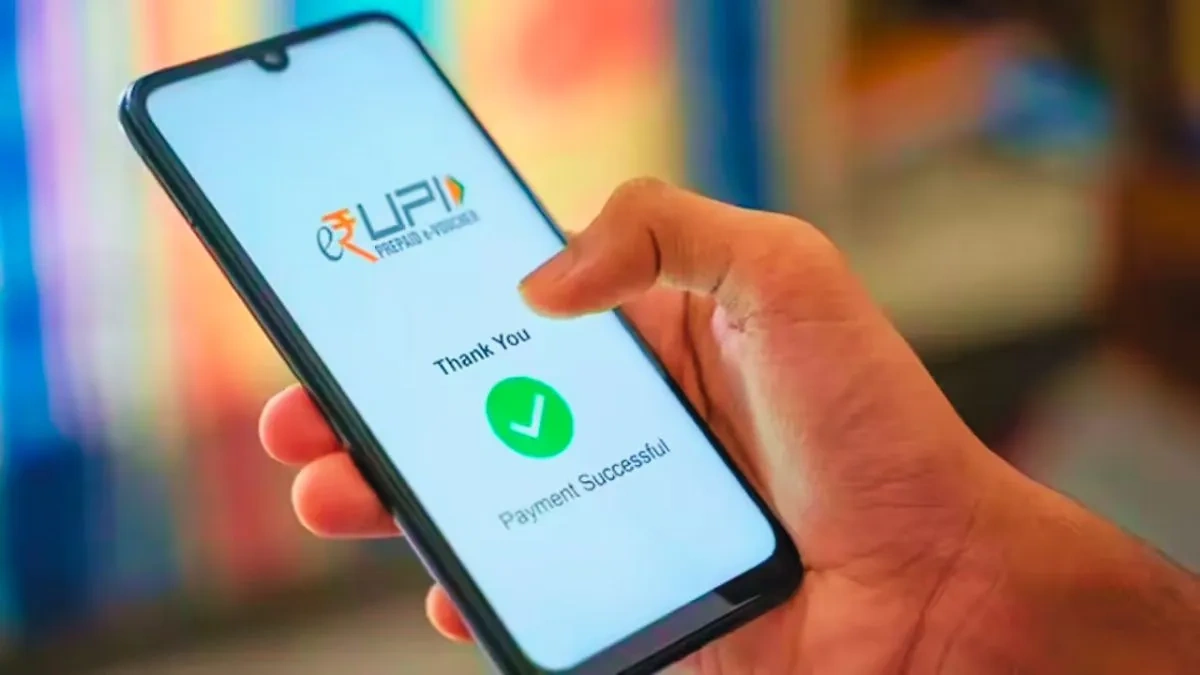
So, here’s the thing: the current system for sending money to Europe (or receiving it) often involves a maze of intermediaries, each taking a cut. This translates to higher fees and longer transaction times. Not ideal, especially if you’re supporting family abroad, running a small business with European clients, or even just trying to split the bill after a trip. The proposed integration with ECB’s TIPS aims to sidestep much of this complexity.
But why now? And why TIPS? Well, the world is shrinking, and the demand for seamless cross-border payments is skyrocketing. Services like international money transfer are becoming increasingly essential. The ECB’s Target Instant Payment Settlement (TIPS) system allows payment service providers to offer fund transfers to customers in real-time and around the clock, every day of the year. Think of it as a super-fast, super-efficient highway for money. It’s already being used within Europe, and the idea is to extend that reach to include India via UPI integration .
How Would This Actually Work? A Simplified Explanation
Let’s ditch the jargon for a moment. Imagine you want to send money to your cousin studying in Germany. Today, you might use a traditional bank transfer or a third-party service. With the UPI-TIPS integration, the process could look something like this:
- You initiate a payment through your UPI app.
- The transaction is routed through a secure channel to the TIPS network.
- TIPS processes the payment instantly, converting the currency if necessary.
- Your cousin receives the money in their European bank account almost immediately, with significantly lower fees than traditional methods.
That’s the dream, anyway. Of course, the devil is always in the details, and there are regulatory hurdles and technical integrations to overcome. But the potential is definitely there to revolutionize the way we handle cross-border payments .
Why the ECB’s TIPS System Matters to India
The European Central Bank’s involvement is crucial. TIPS isn’t just another payment platform; it’s a system built and backed by a major central bank. This brings a level of security and stability that’s hard to match. For India, this means a more reliable and trustworthy partner for facilitating international transactions. Plus, the ECB’s focus on real-time payments aligns perfectly with the speed and efficiency that UPI is known for. It’s a marriage of convenience and technological prowess, frankly. And it uses real time gross settlement .
A common question I hear is about security. The good news is that both UPI and TIPS prioritize security. UPI uses multi-factor authentication and encryption, while TIPS has robust risk management protocols. While no system is 100% foolproof, the combination of these technologies creates a highly secure environment for instant payment systems .
Potential Challenges and Roadblocks
Now, let’s not get carried away. There are definitely challenges ahead. For one, integrating UPI with TIPS requires close collaboration between Indian and European regulators. This means navigating different legal frameworks and ensuring compliance with data privacy laws. Then there’s the technical aspect of connecting the two systems, which could be complex and time-consuming. And don’t forget the existing players in the international payment space, who may not be thrilled about a new, cheaper competitor.
I initially thought this was straightforward, but then I realized the level of international cooperation required is significant. But, if successful, this could pave the way for similar integrations with other countries and regions, further strengthening India’s position in the global financial landscape. You can also visit Groww Q Results to read more exciting news.
The Future of UPI | More Than Just Local Payments
UPI has already transformed the way we make payments in India. From street vendors to large retailers, everyone’s using it. But its potential extends far beyond our borders. This move towards easier, cheaper transactions with Europe is just the beginning. Imagine a future where you can use UPI to pay for goods and services anywhere in the world, without having to worry about exchange rates or exorbitant fees. That’s the vision, and it’s becoming increasingly realistic. And it’s not just about convenience; it’s about empowering individuals and businesses to participate in the global economy on a more level playing field. UPI is revolutionizing the digital payment landscape .
Consider this: if UPI can successfully integrate with TIPS, it sets a precedent. Other countries and regions might be more inclined to explore similar partnerships, creating a truly global payment network. This could significantly reduce the cost of remittances, making it easier for people to support their families back home. It could also boost trade and investment, as businesses find it easier and cheaper to transact with international partners. And you can read more about financial news in this link: TCS New Company .
FAQ About UPI and International Transactions
Frequently Asked Questions
Will this make sending money to Europe instantly?
That’s the goal! The integration with TIPS aims to make transactions near-instantaneous, significantly faster than traditional methods.
Will the fees really be lower?
Yes, that’s the main idea. By cutting out intermediaries, the cost of sending money should be considerably lower.
Is my UPI account secure for international transactions?
UPI already has strong security measures in place. The integration with TIPS will likely add additional layers of security to protect your transactions.
When will this actually happen?
There’s no firm timeline yet. It depends on how quickly the regulatory and technical hurdles can be overcome, but hopefully, we’ll see progress in the near future.
What currencies will be supported?
Initially, it will likely focus on transactions between Indian Rupees (INR) and Euros (EUR). But the system could be expanded to support other currencies in the future.
Who will benefit the most from this?
Individuals sending money to family or friends in Europe, small businesses trading with European partners, and anyone who regularly makes cross-border payments.
So, there you have it. The potential for UPI to revolutionize international payments is real, and the ECB’s TIPS system could be the key to unlocking that potential. It’s not a done deal yet, but it’s definitely something to keep a close eye on. Because let’s be honest, anything that makes our financial lives easier and cheaper is a win in my book.


Leave feedback about this